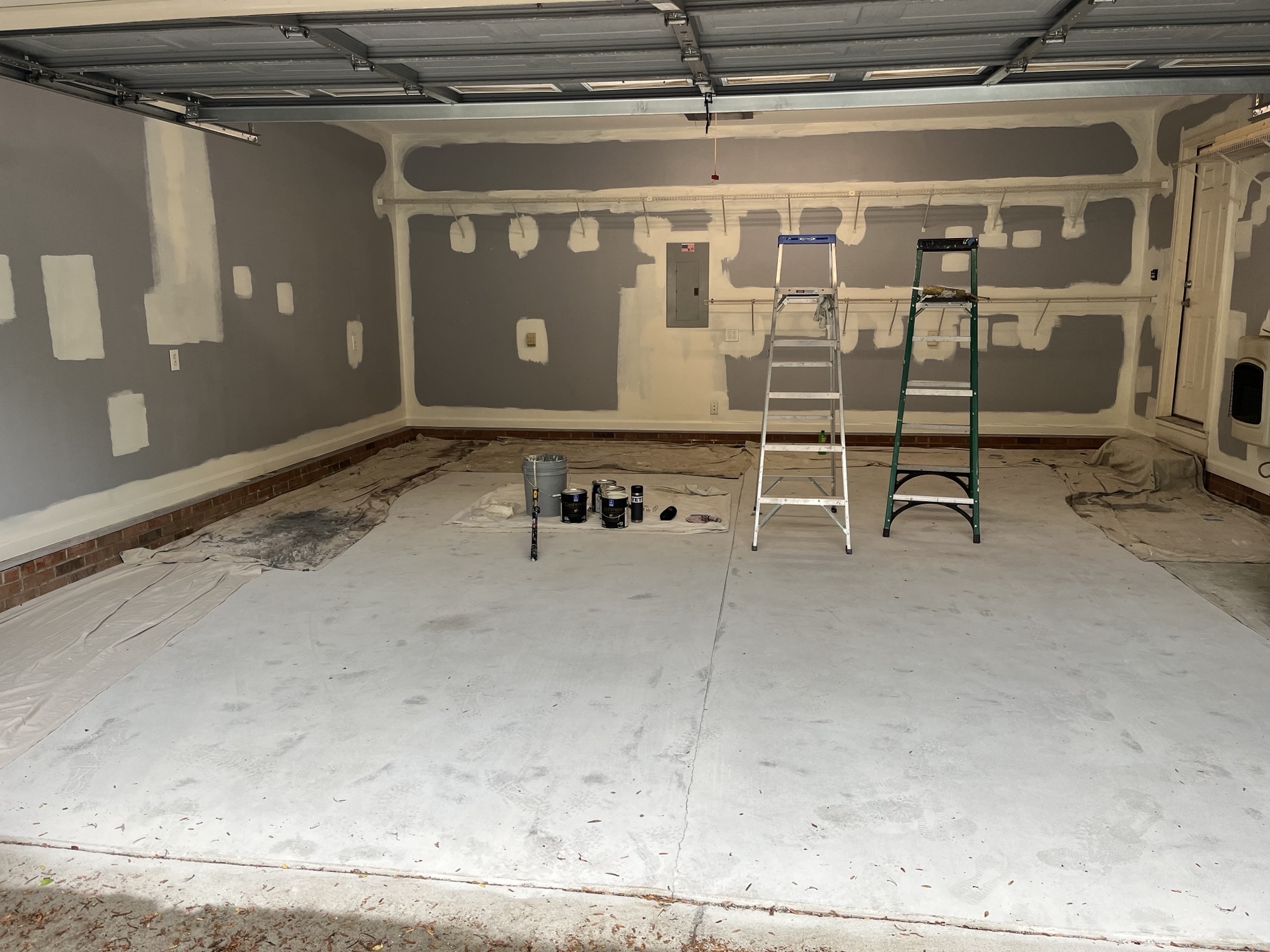
 At ProClassic Painting, we offer expert epoxy coatings and concrete staining services designed to elevate the durability and aesthetics of your floors. Whether you’re looking to enhance the functionality of a commercial space, garage, or industrial facility, our skilled team delivers high-quality finishes that are both long-lasting and visually stunning. From seamless, durable epoxy coatings to vibrant, decorative concrete stains, we tailor our solutions to meet your specific needs. With a focus on precision and premium materials, we ensure your surfaces are not only protected but also make a bold statement.
Epoxy Coating vs. Concrete Staining: A Comprehensive Guide
When it comes to transforming bare concrete floors, two popular options stand out: epoxy coating and concrete staining. Each offers distinct advantages, aesthetics, and performance characteristics that make them suitable for different applications. Understanding the differences between these two methods will help you make an informed decision for your residential, commercial, or industrial flooring project.
What is Epoxy Coating?
Epoxy coating is a durable surface treatment that involves applying a thermosetting resin combined with a hardening agent to create a thick, protective layer over concrete. This chemical reaction produces a rigid plastic material that bonds firmly to the concrete substrate, creating a seamless, high-performance surface.
 Key Characteristics of Epoxy Coating
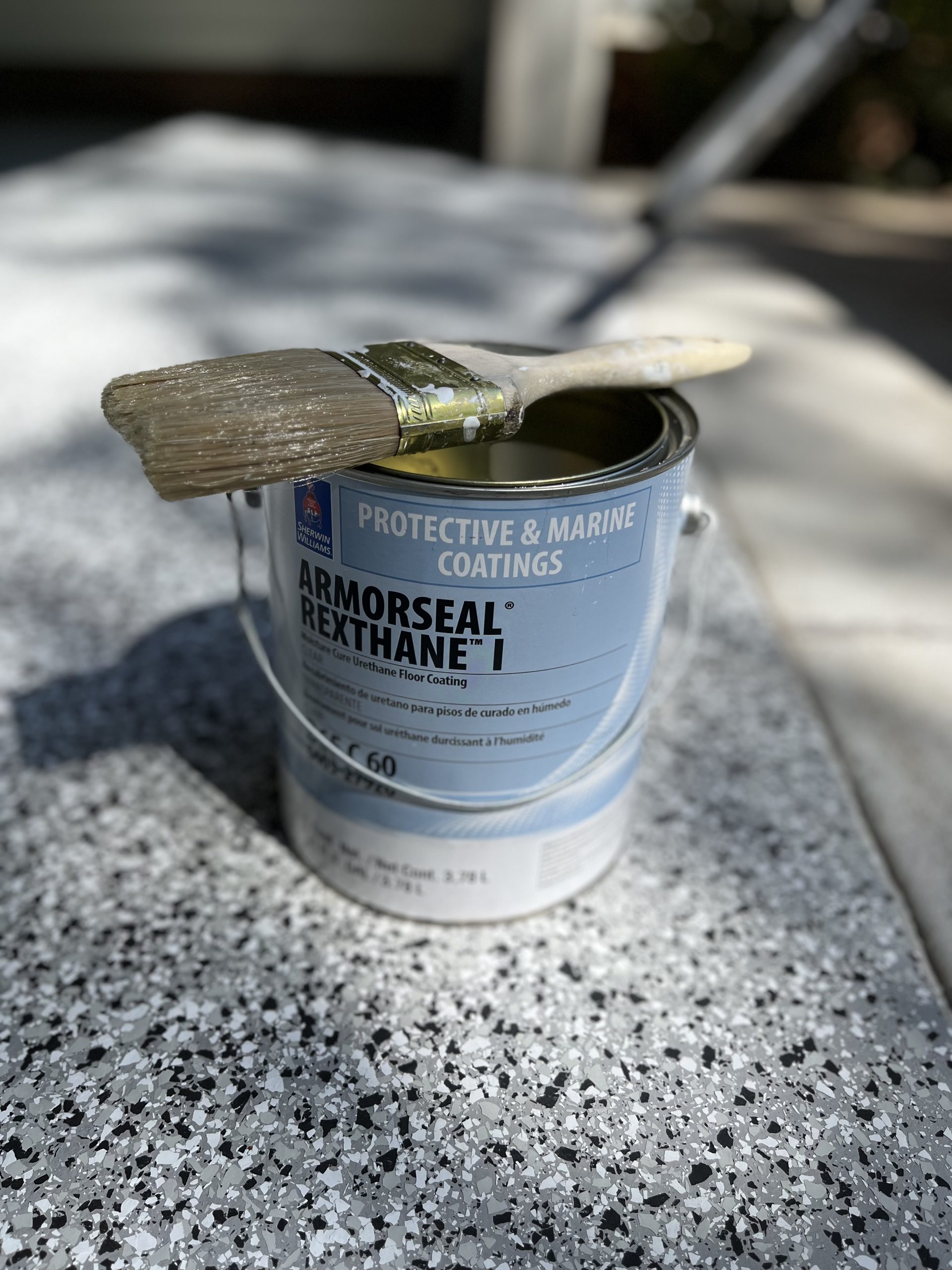
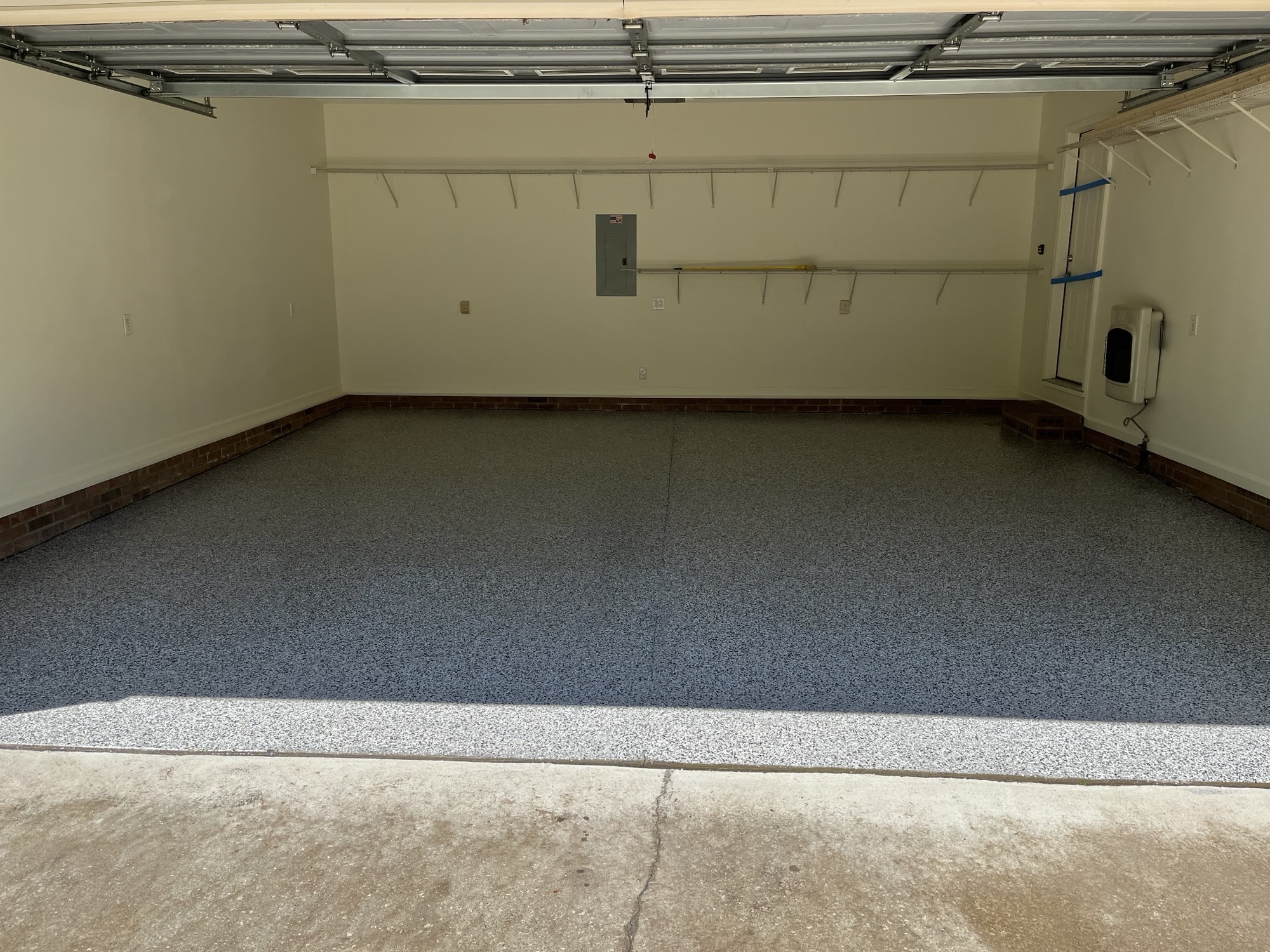
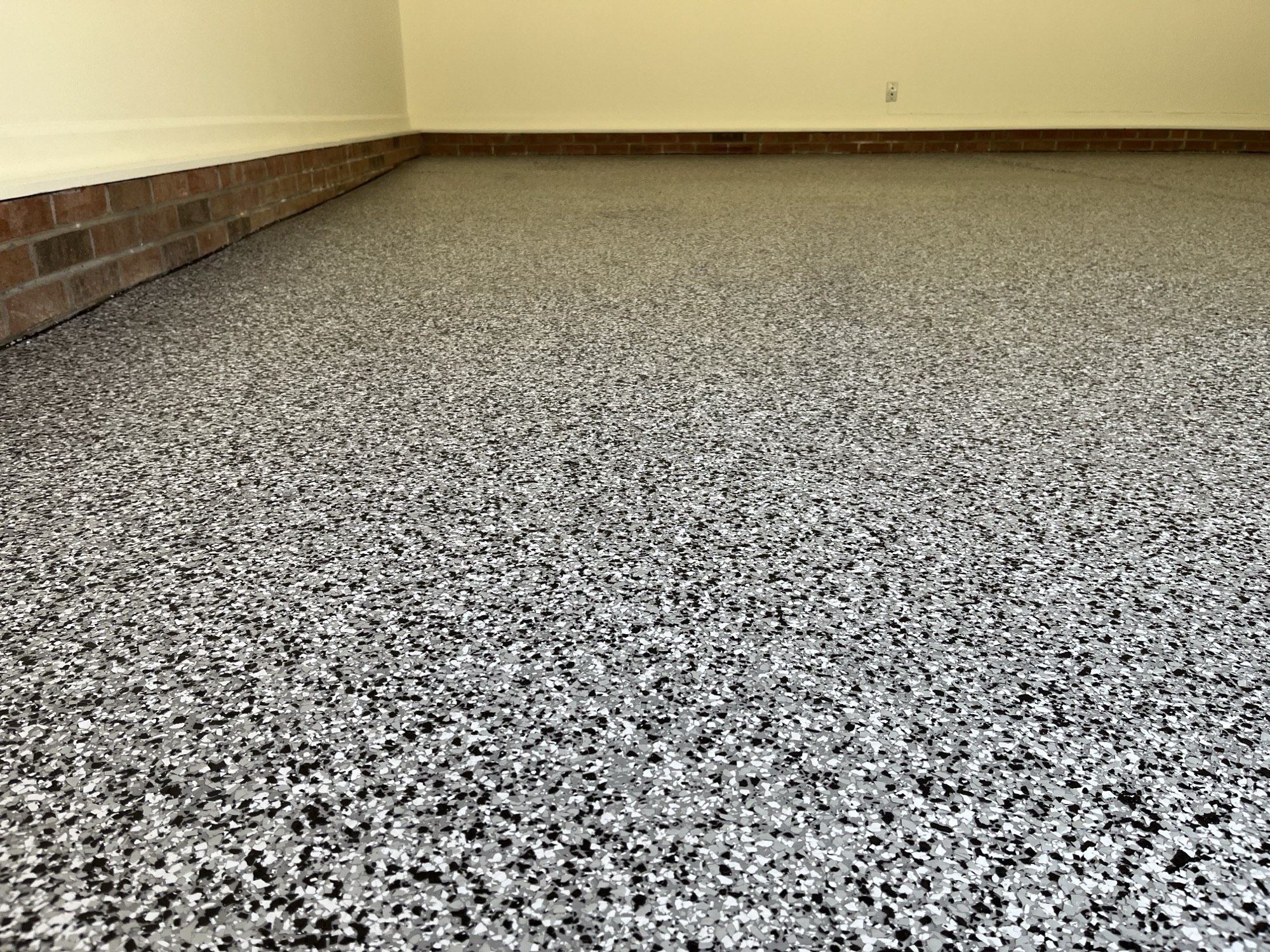
Epoxy coatings typically range from 2 to 10 millimeters in thickness, providing substantial protection against wear, chemicals, and moisture. The coating creates a glossy, mirror-like finish that’s highly reflective and available in virtually any color. Epoxy can incorporate decorative elements like color flakes, metallic pigments, or quartz aggregates to create unique visual effects.
The installation process requires thorough surface preparation, including grinding or shot blasting to open the concrete pores and ensure proper adhesion. Multiple layers are typically applied, including a primer coat, base coat, and topcoat, with curing times between layers.
Advantages of Epoxy Coating
The durability of epoxy coating is exceptional, with properly installed systems lasting 10 to 20 years or more in residential settings and 5 to 10 years in high-traffic commercial environments. The thick, non-porous surface resists stains, chemicals, oil, gasoline, and most household cleaners, making it ideal for garages, workshops, and industrial facilities.
Epoxy floors are remarkably easy to maintain, requiring only regular sweeping and occasional mopping with mild detergent. The seamless surface eliminates grout lines and crevices where dirt and bacteria can accumulate. The high-gloss finish can brighten spaces by reflecting up to 300% more light than untreated concrete, potentially reducing lighting costs.
From a safety perspective, epoxy coatings can be customized with anti-slip additives to improve traction in wet conditions. The impact-resistant surface protects the underlying concrete from damage, extending the life of your floor investment.
 Disadvantages of Epoxy Coating
The initial investment for epoxy coating is higher than most alternatives, typically ranging from $3 to $12 per square foot depending on the system complexity and location. Professional installation is strongly recommended, as improper application can lead to bubbling, peeling, or delamination.
Epoxy can be slippery when wet unless anti-slip additives are incorporated. The coating may yellow over time when exposed to UV light, making it less suitable for outdoor applications without UV-resistant topcoats. Once applied, changing the color or style requires removal of the existing coating, which can be labor-intensive and costly.
Temperature sensitivity during installation is another consideration—epoxy requires specific temperature and humidity conditions for proper curing, which can limit installation timing in some climates.
What is Concrete Staining?
Concrete staining is a coloring technique that penetrates or bonds with the concrete surface to create rich, variegated hues while maintaining the natural texture of the concrete. Unlike coating systems, stains don’t create a thick surface layer but instead work with the concrete’s existing characteristics.
Types of Concrete Stains
Acid-based stains create a chemical reaction with the minerals in concrete, producing earthy, translucent tones like terra cotta, brown, tan, and blue-green. Each application is unique because the reaction depends on the concrete’s mineral composition, age, and poreness. The result is an organic, mottled appearance with natural variation and depth.
Water-based stains offer a broader color palette including vibrant blues, reds, greens, yellows, and blacks. These stains penetrate the concrete pores without chemical reaction, providing more predictable and consistent color. They’re easier to apply, have lower VOC emissions, and dry more quickly than acid stains.
 Key Characteristics of Concrete Staining
Staining preserves the concrete’s natural texture and maintains the floor’s breathability. The thin penetration means the color becomes part of the concrete rather than sitting on top of it, making it highly resistant to chipping, peeling, or wearing off. However, the concrete remains porous unless sealed, requiring a separate sealer application for protection.
The installation process is generally faster than epoxy coating. After cleaning and possibly etching the concrete, stain is applied with sprayers, brushes, or rollers. Acid stains require neutralization and thorough rinsing after the chemical reaction completes. Once dry, a sealer is applied to protect the stained surface and enhance its appearance.
Advantages of Concrete Staining
Cost-effectiveness is a major advantage, with concrete staining typically ranging from $2 to $6 per square foot—significantly less than epoxy coating systems. The process is less sensitive to temperature and humidity conditions, making it more versatile for various installation environments.
Stained concrete maintains a natural, authentic appearance that many find more aesthetically appealing than the plastic-like look of epoxy. The variegated patterns and earth-tone colors create a sophisticated, high-end appearance suitable for residential living spaces, retail environments, and restaurants.
UV stability is excellent, as stains won’t yellow or fade when exposed to sunlight, making them suitable for both indoor and outdoor applications. The low-profile nature means no concerns about door clearances or transitions to adjacent flooring.
If you later decide to change the look, additional stain layers can be applied to modify the color, or the surface can be ground down and restained or treated differently.
Disadvantages of Concrete Staining
Protection depends entirely on the sealer, which requires reapplication every 1 to 3 years depending on traffic and use. The unsealed concrete remains porous and vulnerable to staining from oils, chemicals, and spills. Stained floors don’t offer the same level of chemical resistance as epoxy coatings.
Durability is moderate—while the color won’t peel or chip, the protective sealer can wear through in high-traffic areas, and the concrete itself can crack, chip, or show wear patterns. Color results can be unpredictable with acid stains, varying based on concrete composition and age, making it difficult to achieve consistent results across large areas or when matching existing work.
The natural texture of concrete is maintained, which some may find too rough or industrial for certain applications. Unlike epoxy, staining doesn’t fill small cracks, divots, or imperfections in the concrete surface.
 Choosing Between Epoxy Coating and Concrete Staining
The decision between these two methods depends on your specific needs, budget, and aesthetic preferences.
Best Applications for Epoxy Coating
Epoxy excels in garages, workshops, and automotive facilities where chemical resistance and durability are paramount. Commercial kitchens, food processing facilities, and pharmaceutical manufacturing benefit from the seamless, sanitary surface. Warehouses, manufacturing plants, and high-traffic retail spaces rely on epoxy’s exceptional durability. Basements prone to moisture benefit from the waterproof barrier epoxy provides.
Best Applications for Concrete Staining
Staining is ideal for residential living spaces, dining rooms, and kitchens where a natural, elegant aesthetic is desired. Retail boutiques, galleries, and restaurants often prefer the sophisticated, earthy tones of stained concrete. Patios, walkways, and pool decks benefit from UV-stable staining that won’t yellow outdoors. Showrooms and office lobbies appreciate the cost-effective, professional appearance staining provides.
Hybrid Approach
Some projects benefit from combining both techniques. Staining the concrete first creates a beautiful base color with natural variation, then applying a clear epoxy or polyurethane topcoat provides the durability and protection of a coating system while maintaining the stained appearance. This approach offers the best of both worlds, though at a higher total cost.
Maintenance Considerations
Epoxy coatings require minimal maintenance—regular sweeping and occasional mopping with pH-neutral cleaners keeps them looking new. Avoid abrasive scrubbing pads that might dull the finish. Periodic recoating of high-traffic areas may be needed after many years.
Stained concrete requires more frequent attention to the protective sealer. High-traffic areas may need sealer reapplication annually, while low-traffic spaces can go 2 to 3 years. Clean up spills promptly, especially oils and acids, which can penetrate through worn sealer and stain the concrete permanently.
Cost Comparison
Initial installation costs favor concrete staining at $2 to $6 per square foot compared to epoxy’s $3 to $12 per square foot. However, lifetime costs should consider maintenance. Epoxy’s durability means minimal upkeep costs over its longer lifespan, while stained concrete requires regular sealer reapplication, adding to the total cost of ownership.
For a 500-square-foot garage, expect to pay $1,000 to $3,000 for staining versus $1,500 to $6,000 for epoxy coating. Over 10 years, the stained floor might require $500 to $1,500 in sealer reapplication, narrowing the long-term cost difference.
Environmental Considerations
Modern water-based stains and low-VOC epoxy formulations have reduced environmental impact compared to older products. Stains generally have lower chemical content and allow concrete to breathe naturally. Epoxy creates an impermeable barrier but newer formulations meet strict VOC regulations.
Both options help reduce environmental impact by extending the life of existing concrete rather than covering it with additional materials. The long lifespan of both treatments reduces the frequency of replacement and associated waste.
Conclusion
Both epoxy coating and concrete staining offer excellent ways to enhance concrete floors, each with distinct advantages. Epoxy coating provides superior durability, chemical resistance, and a high-gloss finish ideal for high-performance applications like garages and industrial spaces. Concrete staining offers a cost-effective, natural aesthetic with excellent UV stability, perfect for residential and commercial spaces where beauty and character are priorities.
Your choice should be guided by your specific needs for durability, chemical resistance, aesthetics, budget, and maintenance commitment. Consider consulting with flooring professionals who can assess your concrete’s condition and recommend the best solution for your unique situation. Whether you choose the robust protection of epoxy or the organic beauty of staining, both treatments will dramatically improve your concrete floors’ appearance and functionality for years to come.